Author: aishwary

  • Gold Testing Methods Used by Lenders Before Approving a Gold Loan

    Gold Testing Methods Used by Lenders Before Approving a Gold Loan

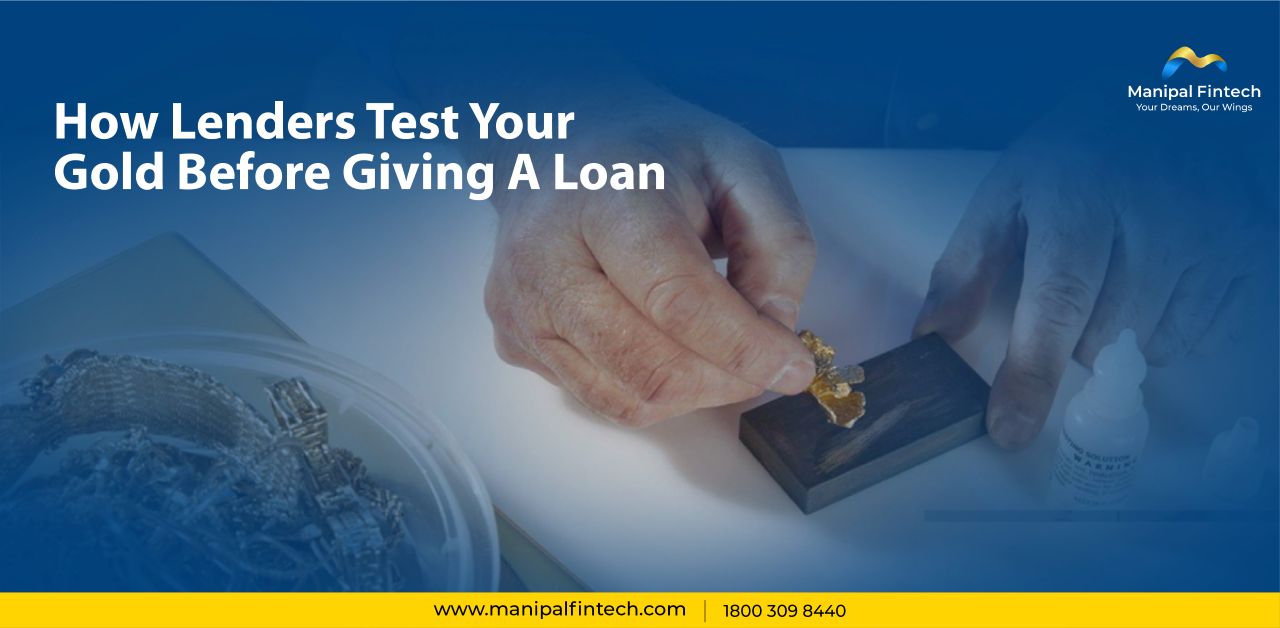
    Before approving a gold loan, lenders use reliable and time-tested gold testing methods to carefully assess the purity, authenticity, and value of the gold jewellery you are pledging to get a loan. This thoughtful evaluation helps ensure that the loan amount offered reflects the quality of the gold. Since even small differences in purity can influence valuation, the process is designed to be detailed and fair. By understanding this verification process when you approach a bank or NBFC for a gold loan, you can enjoy a smoother, clearer, and more reassuring borrowing experience.

    This article walks you through which gold testing methods banks and NBFCs use to check gold purity, what happens step-by-step, and the common methods used by lenders to verify gold authenticity.

    Before Testing: Eligible Gold Jewellery

    Most banks and NBFCs accept gold jewellery (ornaments) as collateral. The first step in the process is typically an acceptance check rather than a purity test.

    During this stage, the gold appraiser reviews the jewellery type (chain, bangles, earrings, and similar items), condition and eligibility as per internal policy, and stones or decorative elements, since the loan is calculated against gold content rather than decorative components.

    This matters because valuation depends on net gold weight after accounting for stones and other elements.

    The Gold Loan Verification Process: Your Experience at the Counter

    At banks and NBFCs, the gold loan verification process is designed to be structured, transparent, and customer friendly. It begins with a simple customer verification step, including KYC, the application form, and an understanding of your loan requirement. 

    This is followed by a careful inspection and sorting of the jewellery, along with precise weight measurement to determine both gross and net weight. The purity of the gold is then assessed using trusted gold testing methods. Based on the purity, weight, and the lender’s rate reference, the valuation is calculated.

    Once this is complete, customers receive a clear loan offer outlining the eligible amount, interest rate, tenure, and flexible repayment options. The process concludes with secure packing, sealing, and safe storage of the jewellery, ensuring complete peace of mind throughout the loan journey.

    Lenders often use multiple checks together rather than relying on a single test, similar to verifying identity with ID, OTP, and signature combined.

    1. Visual Gold Testing Method (The First Step)

    Before advanced tools or chemical testing are used, the process begins with a trained and experienced eye. The gold evaluator carefully observes hallmark markings (where present), colour consistency, surface finish, and key areas such as joints, clasps, and solder points, places where metal composition may differ. This step helps set the foundation for a smooth and accurate evaluation process.

    This helps determine which pieces require deeper testing. While hallmarks provide useful information, lenders still conduct independent verification as part of the loan transaction process.

    2. Weight Measurement (Gross vs Net)

    Weight measurement plays an important role in determining the loan value. During this step, the jewellery is carefully weighed, and components such as stones, beads, or decorative elements are identified to arrive at the net gold weight.

    Along with purity, net weight is a key factor in gold evaluation. Together, these elements help ensure that the loan value is calculated accurately and transparently, creating a fair and well-defined assessment for customers.

    3. Touchstone Gold Testing (Fast and Widely Used)

    Touchstone testing is one of the most commonly used methods for assessing gold purity. In this process, the evaluator gently rubs the gold on a black touchstone to create a streak, after which testing acids of varying strengths are applied. The reaction helps indicate the purity level of the gold.

    This method is popular because it is quick and cost-effective. It is often used alongside other testing methods to provide added clarity.

    4. Acid Test (Related to Touchstone, More Direct)

    Acid testing is another method used by some lenders as part of the gold purity assessment, particularly for understanding surface composition. Different karat levels respond in distinct ways to testing acids, allowing evaluators to gain useful insights into purity.

    Since this method involves controlled use of chemicals, it is carried out carefully by trained professionals following established procedures. This ensures the process remains safe, precise, and aligned with standard evaluation practices.

    5. Electronic Gold Tester  (Commonly used in Branches) 

    Many banks and NBFCs now use electronic karat meters to assess gold purity. Electronic testers work by analysing conductivity and resistance properties to estimate purity. In branch settings, this method is valued for being quick and consistent, offering objective readings that support accurate evaluation.

    Electronic testing is a commonly used approach when customers want to understand how lenders assess gold before offering a loan.

    6. XRF Machine Test (High Accuracy, Available at Select Branches)

    In larger branches or specialised setups, XRF (X-Ray Fluorescence) testing may be available. This is one of the most accurate methods used by lenders to check gold authenticity, because it measures metal composition without cutting or melting the jewellery.

    It provides a detailed breakdown of gold percentage and other metals present (like copper, silver, or nickel). While availability varies by branch due to equipment cost, when present, it strengthens the gold purity test for gold loan approval considerably.

    7. Density / Specific Gravity Test (Scientific, Reliable)

    The density, or specific gravity, test is another scientific approach used in gold evaluation. Since gold has a known density, measuring this property helps assess the composition of the jewellery in a structured and accurate way.

    This method supports a deeper understanding of the item’s overall makeup and complements other testing techniques used during verification. While availability may vary by branch, it continues to be a valuable part of the gold testing toolkit.

    What the Verification Process Aims to Establish

    When lenders follow the gold loan verification process, it helps create clarity and confidence for everyone involved. The process supports genuine collateral assessment and ensures borrowers receive a valuation that accurately reflects their jewellery.

    The process helps confirm surface and core composition, solid versus hollow construction, karat marking accuracy, and consistency across solder areas and joints.

    Start your own business with Manipal Gold Loan. Apply now and make your dream come true

    Apply Now

    Tips for a Smooth Verification Experience

    For faster approval and fair valuation, borrowers may find it helpful to clean jewellery lightly beforehand, carry the purchase invoice if available, expect net weight adjustment if stones are present, and ask which purity method is being used, whether touchstone, electronic, or XRF.

    Understanding the process helps borrowers feel more comfortable and informed throughout.

    The Bottom Line

    Gold testing methods used by banks and NBFCs before approving a gold loan include a mix of visual inspection, weight assessment, touchstone and acid tests, electronic testers, and sometimes advanced XRF or density check, depending on branch and lender protocols.

    The goal is to confirm authenticity and purity so the loan value is fair and consistent. Understanding how lenders assess gold purity adds transparency to the process and helps create a more comfortable and confident experience for borrowers.

    If you own gold assets and are considering a loan, choosing doorstep services can provide you with a seamless and efficient borrowing experience.

    Apply for a gold loan 24/7 on www.manipalfintech.com, or call at 18003098440

  • Gold Loan for Education: A Simple Way to Finance Studying Abroad from India

    Gold Loan for Education: A Simple Way to Finance Studying Abroad from India

    Studying abroad often begins with an exciting next step, confirming your seat at an international university. This usually comes through an email outlining the tuition deposit timeline. For Ananya in Pune, India, this message arrived just two days after she received her admission offer. With the excitement still fresh, her family began planning for the upcoming essentials expenses such as the tuition deposit, visa fees, accommodation advance, flight tickets, a forex card, and education insurance – often leading families to explore options like a gold loan for education to fund studying abroad.

    The dream was real, but so was the timeline.

    Like many families, they began by exploring study abroad loan options in India. Education loans are a well-established and widely trusted choice for funding overseas education. In Ananya’s case, the process involved standard steps such as co-applicant documentation, sanction timelines, and planned disbursements, while the university continued to follow its fixed admission timeline.

    That’s when her father said, “We have gold in the locker. Why don’t we use it for now?”

    This is how many families come to consider a gold loan for education – not as a replacement for an education loan, but as a short-term bridge to manage immediate and upfront study abroad expenses.

    Why Families Consider a Gold Loan for Education

    When preparing to study abroad, education-related expenses typically arise at different stages and may be required even before the academic term officially begins. These can include both immediate and upcoming costs. In such situations, a gold loan for education may be considered part of an overall education financing strategy, rather than a standalone solution.

    Families usually look for education loan alternatives, when any of these situations arise: the university deposit is due immediately, but the education loan takes time to sanction and have restricted uses of the funds. The student is a first-time borrower with limited credit history; co-applicant documentation – such as income tax returns, bank statements, or income proof – is still under processing; certain expenses, including accommodation deposits, visa fees, or travel costs, need to be managed separately; or when short-term funding flexibility is preferred without committing to a long-term education loan.

    On the other hand, a gold loan works on a simple principle: you pledge gold jewellery as collateral, and the lender provides funds based primarily on gold valuation and basic KYC requirements. Because the loan is secured, the process can often feel faster and more predictable, setting it up as a practical short-term bridge for early-stage study abroad expenses.

    Start your own business with Manipal Gold Loan. Apply now and make your dream come true

    Apply Now

    Gold Loan vs Education Loan for Study Abroad: The Difference That Matters

    When people compare a gold loan vs an education loan for study abroad, they often ask, “Which one is better?”

    The better question is, ” Which one suits this specific education expense and timing?

    An education loan is designed for long-term fund your studies. It’s structured for tuition and academic expenses often covering the full course duration, with repayment schedules that may include a moratorium period while the student is studying.

    A gold loan for education is more like a timing and liquidity tool. It helps you to manage urgent, upfront study abroad expenses without waiting for long sanction and disbursement cycles. It’s usually best used for short-to-medium tenures with a clear and planned repayment plans.

    In practice, many families use both: an education loan for the main tuition stream, and a gold loan to manage the early-stage costs that arrive quickly.

    How to Use a Gold Loan to Fund Studying Abroad (Without Stress)

    Back to Ananya. Their priority wasn’t “taking a loan”.

    Their priority was meeting fixed admission and travel deadlines. So, they made a simple plan, use the gold loan only for expenses that were immediate, unavoidable, and directly linked to the study abroad journey.

    If you’re searching how to use a gold loan to fund studying abroad, this is the most practical and risk-controlled approach:

    1. Use it for time-sensitive costs like seat confirmation deposit and initial tuition instalments, visa fees and appointment-related expenses, flight booking (especially when prices are rising), accommodation security deposit and advance rent, insurance and forex card setup, and essential study setup items, such as a laptop or mandatory academic tools.
    2. Using a gold loan for education in this purpose-driven manner, aligned with the overall education plan allows for better financial clarity. Treating it as a short-term bridge helps maintain control over repayment and overall funding structure.

    A loan against gold for education adds the most value when used to support immediate needs within a structured study abroad financing plan, not as a substitute for comprehensive education funding.

    Best Ways to Finance Study Abroad in India: Where a Gold Loan Fits

    When people ask about the best ways to finance study abroad in India, the answer is rarely a single product. It’s a financing mix, built around timing, cash flow, and certainty of expenses.

    Typically, families combine an education loan for core tuition, savings for planned costs, scholarships where available, and family income support for ongoing expenses. Within this structure, a gold loan for education plays a specific, tactical role – covering upfront gaps that arise before long-term funding kicks in.

    A Realistic Repayment Mindset

    Ananya’s family did one smart thing: they planned repayment before they even took the loan. They knew the education loan would disburse a portion in a few weeks. The gold loan would cover the deposit and visa expenses now, and then they would part-prepay or close it, when longer-term funding kicked in.

    That’s the difference between a gold loan becoming helpful – and a gold loan becoming stressful.

    So, if you’re considering gold loan education funding, ask yourself one honest question: “What will repay this loan, and when?” If you can answer clearly, you’re using the product as intended.

    The Bottom Line

    Studying abroad is a big leap, and the money part often feels like the hardest step only because the deadlines arrive earlyof the timelines. If you need quick funds to protect your admission timeline, a gold loan for education can be a practical option, especially as an education loan alternative or a bridge alongside a study abroad loan India plan.

    Studying abroad is often a moment families have imagined for years. With careful planning and the right support, that aspiration can take its next step with reassurance and clarity.Used wisely, gold loan education funding doesn’t just fund a dream. It protects it – right when the clock is ticking.

    If you own gold assets and are considering a loan, choosing doorstep services can provide you with a seamless and efficient borrowing experience.

    Apply for a gold loan 24/7 on www.manipalfintech.com, or call at 18003098440
  • What Is CIBIL Score, and Why It Matters More Than People Admit

    What Is CIBIL Score, and Why It Matters More Than People Admit

    Harsh didn’t think he was the kind of person who gets rejected. He had a steady job in Gurgaon, his salary arrived on time, his rent was paid, and he wasn’t the reckless spender in his friend circle. So, when he went to the bank for a personal loan, he expected a routine conversation – some paperwork, a few questions, and an offer that felt reasonable.

    Instead, the interest rate quoted to him made him pause. Not because it was impossible, but because it was noticeably higher than what he had seen advertised. Like most people do in India when something doesn’t add up, he checked with someone else. A colleague at the same company – similar salary, similar age – had received a much better offer. Lower rate, smoother process, fewer follow-ups.

    That night, Harsh searched one phrase that millions of borrowers type only when they’re confused, annoyed, or quietly nervous: CIBIL score meaning.

    What he discovered is a truth most people learn only after a loan feels unexpectedly expensive.

    What is CIBIL score, really?

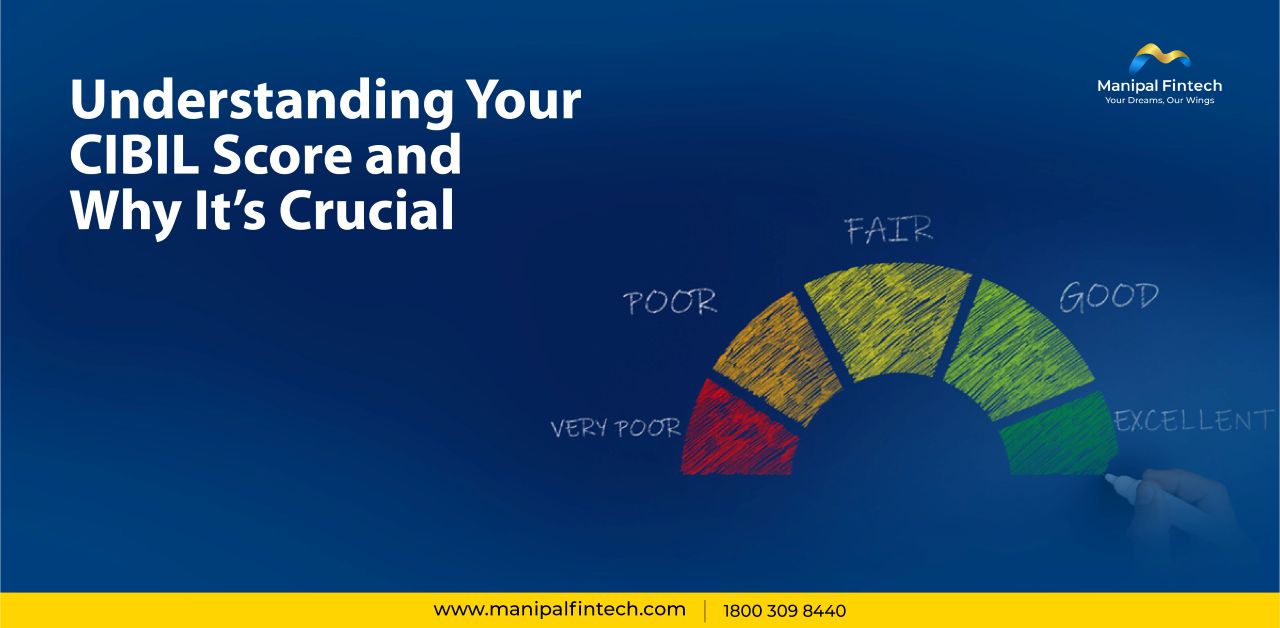
    A CIBIL score is a number that reflects how you handle borrowed money over time. It is not a report of how rich you are, how qualified you are, or how responsible you believe you are, in general life. It is a summary of patterns that lenders care about, because those patterns predict repayment behaviour.

    In simple terms, the score is built around questions like these: do you pay EMIs and credit card bills on time, do you regularly use most of your available credit limit, do you apply for new credit frequently, and do you maintain older accounts in a stable way. That’s the simplest CIBIL score meaning – a trust number based on your credit behaviour.

    Why CIBIL score is important in real life

    Harsh’s first reaction was emotional: But I’ve never defaulted. The bank, however, doesn’t operate on feelings or personal context. A loan officer does not know your full story, your family responsibilities, or the month your salary got delayed. Lending decisions are designed to work at scale, and that means decisions are driven by data.

    This is the core CIBIL score importance: it helps lenders judge risk quickly and consistently. And once risk is judged, it influences almost everything that matters to a borrower – whether you get approved, how much you get, what interest rate you pay, and what extra conditions might be added. That’s why people keep asking why CIBIL score is important. It quietly shapes how “expensive” borrowing becomes.

    How CIBIL score affects loan eligibility

    If you want the clean version of how CIBIL score affects loan eligibility, think of it as a confidence meter. A stronger score usually increases a lender’s confidence in giving you a loan on better terms, while a weaker score increases caution. That caution may show up as more verification, tighter limits, higher interest rates, or sometimes rejection. This can happen even if your income looks fine, because lending is not only about income – it is also about behaviour under credit.

    Start your own business with Manipal Gold Loan. Apply now and make your dream come true

    Apply Now

    The part nobody expects: “I paid on time, so why isn’t my score great?”

    This is where Harsh’s story becomes familiar for a lot of people. He really did pay on time. But he also used almost his entire credit card limit month after month. In Harsh’s mind, it felt like smart usage: he was earning points, he was paying the bill, and nothing was overdue. On a credit report, however, consistently high utilisation can look like dependence on credit. It tells the lender that you might be operating close to your financial edge, even if you pay on time.

    That’s why what is CIBIL score and why it is important is not a textbook idea. It affects real loan offers, real interest rates, and real eligibility outcomes. Payment history matters, but so do utilisation, the frequency of applications, and the overall stability of your credit profile.

    Importance of CIBIL score for loan approval

    The importance of CIBIL score for loan approval typically appears in four practical ways. First, it influences approval probability – whether you get a yes, a no, or a “not right now.” Second, it affects pricing – what interest rate you are offered. Third, it impacts the loan amount – the limit the lender is comfortable approving. Fourth, it changes the process experience – how smooth or how exhausting the verification journey becomes. That fourth point is underrated; two people can have the same income and still have completely different loan journeys because the lender is reading their credit behaviour differently.

    What actually improves your score (simple, not dramatic)

    Harsh expected some clever trick. What worked was simpler and more boring than he hoped, which is exactly why it works. He reduced credit card utilisation and he stopped applying for multiple credit products “just to check offers.” He also stayed consistent with on-time payments and avoided unnecessary credit enquiries.

    A few months later, his loan offers started looking more reasonable. Not because Harsh became a different person, but because his credit report started telling a calmer story.

    If you own gold assets and are considering a loan, choosing doorstep services can provide you with a seamless and efficient borrowing experience.

    Apply for a gold loan 24/7 on www.manipalfintech.com, or call at 18003098440

  • How to Check Your Credit Score Online in India

    How to Check Your Credit Score Online in India

    The first time someone checks their credit score, it’s rarely “for fun”.

    It usually happens on a random weekday, when you’re half-distracted, half-confident, until an app quietly says: Offer not available. 

    No fight. No explanation. Just a dead end.

    That’s exactly how it happened to Vishal.

    He wasn’t applying for a huge loan. Just a simple phone EMI. Decent salary. No missed EMIs (at least none he remembered). But the checkout page rejected him. Vishal did what most of India does now: opened Google and typed credit score online.

    If you’re here, you’re probably doing the same thing. You want to check credit score online, quickly, without falling into some shady website trap, and preferably you want to check credit score online free.

    Let’s do this the practical way.

    First, what score are we talking about?

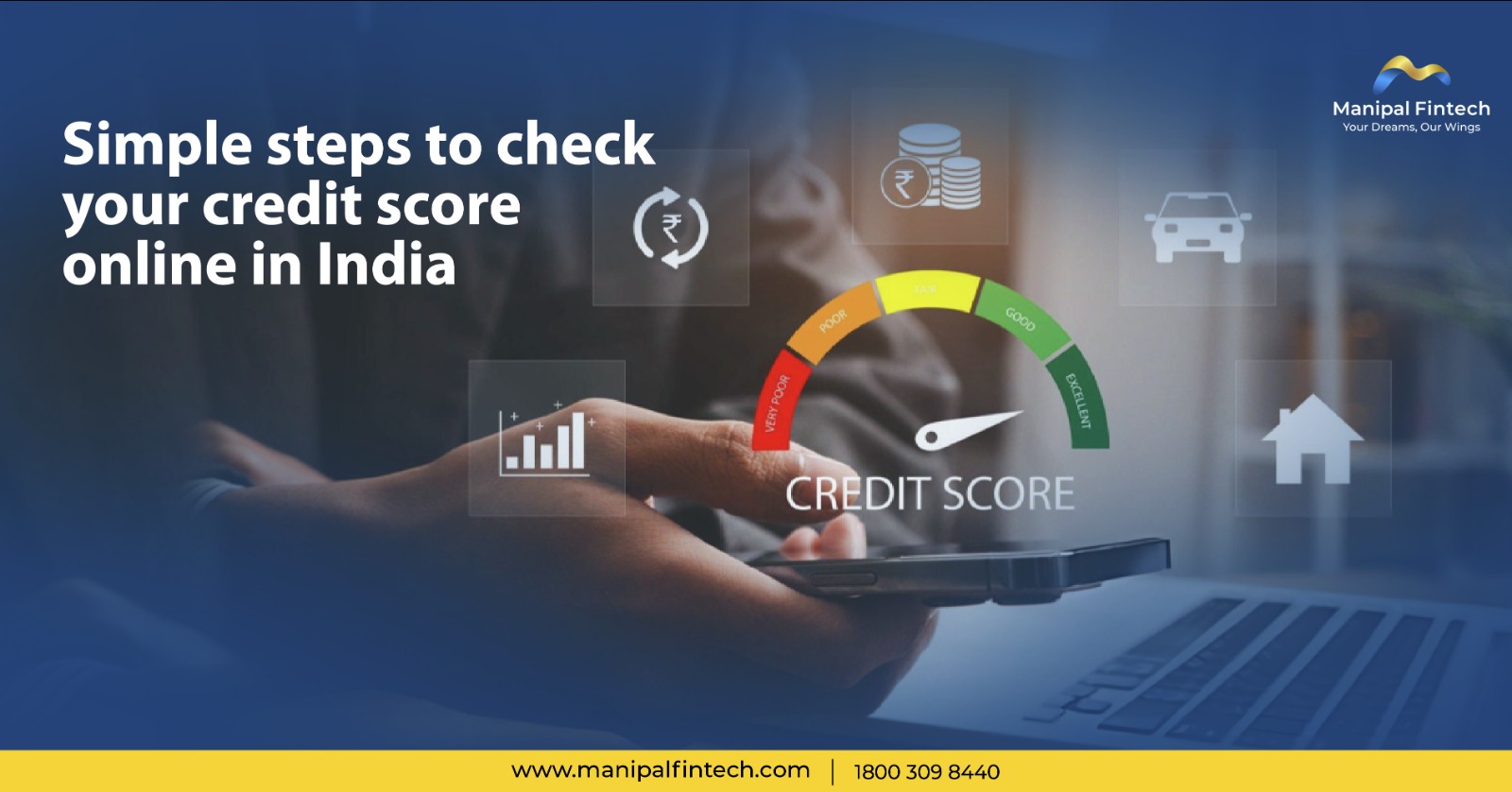
    In India, your credit score is created from your credit history – loans, credit cards, repayments, and even applications. This history is collected by credit bureaus.

    Start your own business with Manipal Gold Loan. Apply now and make your dream come true

    Apply Now

    The name most people know is CIBIL (TransUnion CIBIL). That’s why you’ll see searches like check CIBIL score online everywhere. But it’s not the only bureau. Some lenders also use other bureaus.

    That’s why some people also look for check credit score online without CIBIL.

    Think of it like this:
    Your credit history is the “report card”.
    The score is the “final grade”.
    Different bureaus may grade slightly differently.

    Can you really check it for free?

    Most people assume checking a score is like checking a bank balance: free, instant, harmless.

    In reality, credit score check online is often free on many legitimate apps and websites because it brings you into their ecosystem. Some bureaus also provide access to your report through their own platforms (free access offers can vary).

    So yes – many people can check credit score online free.

    But here’s the street-smart rule Vishal learnt:
    If a website looks like it was built in 2009, asks for too much information, and promises “instant score without OTP,” you don’t use it.

    What you’ll need (and why)

    To check credit score online, most platforms will ask for:

    • PAN (to match you correctly)
    • Name + date of birth
    • Address (for identity matching)
    • Mobile number + OTP (for consent)

    The OTP is not “extra drama”. OTP is a security step. It means you’re authorising access to your financial identity.

    No OTP? Be cautious.

    The real steps (without sounding like a manual)

    When you’re following steps to check credit score online in India, this is what it looks like in real life:

    You choose a trusted platform.
    You fill in your details.
    You verify via OTP.
    You see your score and a summary.

    And then comes the part nobody tells you: you stare at the score for 10 seconds and ask, “Okay… now what?”

    Because the score alone is not the full story.

    A good credit score online screen should also show you:

    • active loans and credit cards
    • repayment history
    • utilisation (how much of your credit limit you use)
    • recent enquiries (how often you’ve applied)

    That’s where the truth hides.

    Vishal’s “rejection mystery” (and what it teaches)

    Vishal’s score wasn’t horrible. But his credit card utilisation was consistently high.

    He wasn’t missing payments.
    He was just living near the limit.

    Many people don’t realise this: you can be “responsible” and still look “stressed” on paper.

    High utilisation signals dependence on credit. Lenders don’t love that.

    Vishal reduced his usage, paid down balances, and stopped applying everywhere “just to check offers”. Within a few weeks, his eligibility improved.

    That’s the real point of how to check credit score online for free:
    Not to feel judged.
    To see what lenders see.

    What if your score doesn’t show at all?

    This is common for first-timers.

    If you have never taken a loan or used a credit card, the system may not have enough history to generate a score. That’s not a failure. It’s just a thin file.

    Build it slowly.
    One small credit product.
    Pay on time.
    Keep utilisation low.
    Then check again later.

    What about checking without CIBIL?

    If your goal is check credit score online without CIBIL, you can check scores from other bureaus too (like Experian, Equifax, or CRIF High Mark).

    Don’t panic if numbers differ slightly. Different bureaus, different models, different update cycles.

    Before you leave, one simple safety checklist

    If you want to check credit score online free, do these:

    • Use known platforms
    • Never share UPI PIN or card PIN
    • Read what you’re signing up for (some services offer subscriptions)
    • Download/save your report if possible

    Because the biggest win is not a high score.
    The biggest win is understanding your score.

    If you own gold assets and are considering a loan, choosing doorstep services can provide you with a seamless and efficient borrowing experience.

    Apply for a gold loan 24/7 on www.manipalfintech.com, or call at 18003098440
  • What Happens If You Pay Your Gold Loan Before Closure? A Guide to Gold Loan Prepayment in India

    What Happens If You Pay Your Gold Loan Before Closure? A Guide to Gold Loan Prepayment in India

    Rakesh had pledged a small gold chain and two bangles in March. Nothing dramatic – just a short-term gold loan to manage a supplier payment for his kirana store. By July, business picked up, a few pending invoices got cleared, and he walked into the branch with one simple question:

    “If I pay it off early… what actually happens?”

    If you’ve ever taken a gold loan (or are considering one), you’ve probably asked the same thing. Because gold loans are designed for flexibility, but the terms around gold loan closure, gold loan prepayment, and gold loan foreclosure charges can feel confusing.

    So, let’s break it down in a simple way.

    First: Paying early is allowed (and often common)

    Gold loans are typically short-term and purpose-led – medical needs, school fees, cash-flow gaps, seasonal business expenses. So, it’s common for borrowers to repay before the tenure ends.

    When you pay your gold loan before the scheduled end date, you’re essentially doing one of these:

    • Gold loan prepayment: paying partly or fully before the tenure ends
    • Gold loan foreclosure: closing the loan early by paying the total due (principal + interest + any applicable charges)

    Most people use “prepayment” and “foreclosure” interchangeably in everyday conversation, but lenders may use specific terms in their policy.

    What changes when you prepay or foreclose?

    1) Your interest stops accumulating (after payment is received)

    This is the biggest benefit. Gold loan interest is usually calculated based on how long the money was used (exact method depends on lender terms). So, if you close early, you may reduce your interest.

    That’s why people like Rakesh decide to close early – less interest, peace of mind, and the relief of taking their gold home.

    The part everyone worries about: Gold loan prepayment charges

    Meena, a school teacher, had a different concern. She had taken a gold loan during a medical emergency. Two months later, a family member helped her arrange money. She wanted to close the loan early, but hesitated:

    “Will they charge me extra for closing early?”

    This is where keywords like gold loan foreclosure charges, gold loan pre closure charges, and gold loan prepayment charges come in.

    Are prepayment/foreclosure charges always applicable?

    Not always. It depends on:

    • the lender’s policy (bank/NBFC/fintech platform)
    • the type of gold loan product
    • whether the loan is fixed-rate or floating (varies by lender)
    • the repayment timeline (some products have minimum interest period clauses)

    In many cases, charges may be nil or small, but you should never assume. The safe approach: ask for a breakup before paying.

    Start your own business with Manipal Gold Loan. Apply now and make your dream come true

    Apply Now

    What to ask for (one-line request):
    “Please share the final payable amount breakup for gold loan closure, including any gold loan foreclosure charges or pre-closure charges.”

    Gold loan closure procedure: What typically happens

    Gold loan closure sounds big, but it’s usually a simple set of steps. Here’s the usual gold loan closure procedure in India:

    1. Ask for the closure amount
      This is the total payable: principal + interest + any applicable charges.
    2. Pay the closure amount
      Payment method may be cash, transfer, UPI, netbanking, or branch payment – depending on lender.
    3. Get a closure confirmation
      This can be a closure receipt, NOC, or loan closure letter. Keep it safe.
    4. Collect your pledged gold
      Once the system confirms closure, the lender releases the collateral and returns your gold.

    Tip that saves stress:

    Before leaving, check:

    • your name matches on the closure document
    • the loan account number is correct
    • the document clearly says “closed” / “foreclosed”
    • you’ve received confirmation by SMS/email (if provided)

    Does early closure impact your credit score?

    Usually, closing a loan responsibly is a positive signal. A gold loan is secured, and repayment behaviour still matters.

    But one thing is important: make sure the closure is updated properly. If a loan shows as “active” due to a system delay, it can create confusion later. So always keep your closure proof.

    A small story that explains why clarity matters

    Imran, a small-business owner, prepaid his gold loan early in a hurry – paid the amount he “estimated” based on last month’s interest. Two days later, he got a call:

    “Sir, there is a small pending amount. Closure is not completed.”

    What happened?
    The closure amount had changed slightly due to interest calculation till the payment date, plus a minor processing fee. It wasn’t a big amount, but it delayed release of the gold and created unnecessary stress.

    The lesson: Never guess the closure amount. Always request the official closure figure.

    Quick checklist before gold loan prepayment

    If you’re paying your gold loan before closure, check these:

    • Ask for the official closure amount
    • Confirm gold loan prepayment charges / pre closure charges (if any)
    • Understand how interest is calculated up to the payment date
    • Pay through a traceable method when possible
    • Collect closure proof and verify it says “closed”
    • Collect your gold and verify items before leaving

    Closing thought

    Paying your gold loan early can be a smart move – less interest, faster closure, and the simple comfort of bringing your gold back home.

    But do it the right way: understand the gold loan closure procedure, confirm gold loan foreclosure charges, and get your closure proof in writing.

    Because at the end of the day, it’s not just a loan account.
    It’s your gold. Your security. Your family’s trust – returned safely.

    If you own gold assets and are considering a loan, choosing doorstep services can provide you with a seamless and efficient borrowing experience.

    Apply for a gold loan 24/7 on www.manipalfintech.com, or call at 18003098440
  • Types of Loans Explained: Which One Is Right for You?

    Types of Loans Explained: Which One Is Right for You?

    Rohit didn’t wake up one morning wanting a loan. He woke up wanting a solution.

    His sister’s wedding was three months away. His father’s back pain needed treatment. And his small trading business had a payment stuck with a buyer. Three needs, one common theme: money was required now, but income would come later.

    That’s usually how borrowing begins in real life. Not as a financial product, but as a bridge.

    If you’ve ever searched “types of loans” or “what are the different types of loans,” you’ve probably seen long lists that feel like textbook pages. This guide keeps it simple – human, practical, and India-relevant, so you can match the loan to your situation, not the other way around.

    First, the big split: Secured loan vs unsecured loans

    Before we get into the different types of loans, understand one core idea. Almost every loan, falls into one of these two buckets:

    Secured loan

    A secured loan is backed by collateral – something the lender can take as security if you don’t repay. Examples include home loan, gold loan, and many business loan structures backed by property or assets. Because risk is lower for the lender, secured loans often come with lower interest rates.

    Unsecured loans

    Unsecured loans do not require collateral. The lender relies on your income, credit history, and repayment capacity. Examples include a personal loan and many student loans (depending on structure). They are easier to take quickly, but the interest rate is often higher than secured credit.

    Start your own business with Manipal Gold Loan. Apply now and make your dream come true

    Apply Now

    This secured-and-unsecured lens makes it easier to decide.

    Different types of loans and what they’re best for

    1) Personal loan (unsecured)

    A personal loan is often the “all-purpose” option – medical expense, travel, wedding costs, home repairs. It’s fast because you usually don’t pledge an asset.

    But here’s the catch Rohit learned the hard way: speed is not the only metric. A personal loan can be convenient, but the cost can vary widely based on your profile.

    If you’re searching for low interest personal loans, focus on:

    • comparing total cost (interest + processing fees)
    • checking if rates differ for salaried vs self-employed
    • understanding prepayment or foreclosure charges

    Best for: urgent personal needs when you have stable income and want fast approval.

    2) Home loan (secured)

    A home loan is for long-term goals. It’s usually lower-cost than most unsecured loans because the property is collateral, and the tenure is long.

    It’s paperwork-heavy, yes. But it’s built for large amounts and predictable EMIs.

    Best for: buying, constructing, or renovating a home with structured repayment over years.

    3) Gold loan (secured)

    A gold loan is the most “Indian” form of credit – because it’s built around an asset many families already have.

    It’s often chosen in moments that need speed, but also dignity: school fees, hospital bills, business cash flow, seasonal needs. You pledge gold, get funds quickly, and take your jewellery back after repayment.

    Best for: short-term liquidity needs when you want quick access without selling gold.

    4) Business loan (secured or unsecured)

    A business loan can look very different depending on the lender and the borrower. Some are unsecured (especially for strong cash-flow businesses). Many are secured – against property, equipment, or receivables.

    This is where people often get confused between “business loan” and small business loans. In practice, “small business loans” usually refer to products designed for MSMEs – working capital, invoice funding, overdraft-style limits, or short-tenure loans.

    Best for: working capital, expansion, inventory, or cash-cycle gaps.

    5) Student loans (often structured, sometimes secured)

    Student loans are designed around education timelines. Repayments may start after the course or after getting a job, depending on the lender and product terms.

    Some student loans can involve a co-applicant and, in some cases, collateral for higher amounts. It’s important to understand the moratorium period and repayment schedule before signing.

    Best for: funding education with planned, long-horizon repayment.

    So, which one is right for you?

    A simple way to decide is to match the loan type to three things:

    1) Purpose

    • Home purchase → home loan
    • Emergency personal expense → personal loan or gold loan
    • Business cash cycle → small business loans / business loan
    • Education → student loans

    2) Time

    • Need money fast and for short-term → gold loan / personal loan
    • Need long-term financing → home loan / education loan

    3) Comfort with collateral

    • If you can pledge an asset, secured loans may be cheaper
    • If you cannot or do not want to pledge, unsecured loans are simpler but may cost more

    The truth is, there are many different types of loans, but the best loan is not the most popular one. It’s the one that fits your purpose, timeline, and comfort level, without putting unnecessary pressure on your monthly life.

    Borrowing is not a failure. It’s a tool.
    Choose the right tool, and it works quietly in the background while you move forward.


    If you own gold assets and are considering a loan, choosing doorstep services can provide you with a seamless and efficient borrowing experience.

    Apply for a gold loan 24/7 on www.manipalfintech.com, or call at 18003098440
  • Making Charges on Gold: What They Are and How a Gold Loan Helps You Save

    Making Charges on Gold: What They Are and How a Gold Loan Helps You Save

    Sunita still remembers the day she bought her first proper gold bangle. Not the lightweight kind you pick up quickly, but the “this is for life” kind. The jeweler weighed it carefully, showed her the purity, and then added a line item she hadn’t really thought about.

    “Madam, making charges alag se.”

    That moment is familiar to many of us. When we buy gold jewelry, we don’t pay only for gold. We pay for the work that turns gold into something wearable – design, crafting, finishing, sometimes even brand premium. Those extra costs are called making charges on gold (also referred to as gold ornament making charges).

    And they matter a lot when you’re deciding what to do with your jewelry in a tight moment:
    Do you sell it? Or do you take a gold loan?

    This article is about that exact choice, and why a gold loan often helps you protect the “extra value” you already paid for.

    What are making charges on gold?

    In simple terms, making charges on gold are the labor and craftsmanship costs the jeweler charges to make jewelry from raw gold.

    Depending on the design, these charges can be:

    • a percentage of the gold price, or
    • a fixed amount per gram, or
    • a flat charge for a piece

    Simple chain? Lower making charges.
    Heavy bridal set? Higher making charges.
    Handcrafted or designer work? Higher still.

    This is why two bangles of the same weight can have very different final prices.

    The key point: making charges are real money you pay, but you don’t always recover it when you sell.

    The problem with selling gold: you may lose what you already paid


    Start your own business with Manipal Gold Loan. Apply now and make your dream come true

    Apply Now

    Amit, a small business owner, once put it bluntly:
    “I bought this chain at a premium. If I sell today, I’ll get gold rate minus cuts. It feels like I’m paying twice.”

    That’s not an exaggeration. When you sell gold jewelry, buyers usually focus on:

    • net gold weight (after stones/non-gold parts)
    • purity
    • prevailing rate
    • deductions for melting/refining

    In most cases, making charges on gold are not paid back fully when you sell. Sometimes you get a small portion. Often you don’t.

    So, if you sell the jewelry, you bought recently, you may lose:

    • making charges you paid earlier
    • design premium
    • emotional value and future usefulness

    That’s where a gold loan becomes an option worth considering.

    How a gold loan helps you “save” making charges

    A gold loan allows you to unlock money from your jewelry without selling it. That means you keep ownership of the ornament, and the money you spent on craftsmanship is not “wasted” through a sale.

    You’re essentially using your jewelry as temporary security, and once you repay, you get it back.

    This is why, for many families, a gold loan feels like a practical middle path:

    • You get funds quickly
    • You avoid permanent loss of jewelry
    • You avoid losing the paid making charges through a distress sale

    In other words, it’s not that the loan gives you back making charges in cash.
    It helps you avoid losing them.

    Gold loan eligibility: what typically matters

    People often assume they need a high credit score. Gold loans are different because they are backed by the gold itself.

    Gold loan eligibility usually depends on:

    • the purity of gold (commonly 18K–24K accepted, varies by lender)
    • net weight after assessment
    • valid ID/address documents (KYC)
    • lender policy on ornament type

    Eligibility is primarily linked to the gold’s assessed value and policy limits.

    Gold loan benefits and advantages of gold loan (why people choose it)

    In real life, people choose gold loans for very practical reasons. Common gold loan benefits include:

    • Faster access to funds compared to many unsecured loans
    • Shorter tenures and flexible repayment options
    • Ability to retain ownership of jewelry
    • Useful for seasonal needs (fees, medical, business cycles, farming needs)

    This is why, when cash needs are temporary, the advantages of gold loan often outweigh selling.

    Gold loan tax benefits: do you get any?

    This comes up a lot, so here’s the honest answer.

    Gold loan tax benefits depend on what you use the money for and how you file taxes. Generally:

    • If the loan is used for business purposes, the interest may be considered as an expense (subject to applicable tax rules and documentation).
    • For personal use, interest is usually not tax-deductible in the same way.

    Because tax rules vary by individual situation, it’s best to check with a tax professional for your exact case.

    Gold loan or selling gold: which is better?

    A simple way to decide:

    Choose a gold loan if:

    • you need funds temporarily
    • you want the jewelry back
    • you want to avoid losing making charges and sentimental value
    • gold prices are not favorable for selling

    Consider selling gold if:

    • you are sure you won’t need the ornament again
    • you want to permanently reduce gold holdings
    • you are comfortable accepting deductions and value loss
    • you want to avoid interest costs entirely

    For many Indian households, the emotional and financial reality is this: jewelry is not just an asset. It is security. Selling is final. A gold loan is reversible.

    Closing thought

    Making charges are the hidden cost of gold jewelry – the part you pay quietly and remember only when life forces a financial decision.

    A gold loan doesn’t erase those charges.
    But it can help you avoid losing them by selling in a hurry.

    And sometimes, that is the smartest kind of saving:
    keeping what you already paid for, while still getting the support you need.

    If you own gold assets and are considering a loan, choosing doorstep services can provide you with a seamless and efficient borrowing experience.

    Apply for a gold loan 24/7 on www.manipalfintech.com, or call at 18003098440

  • How to Check Gold Purity at Home: A Practical Indian Guide

    How to Check Gold Purity at Home: A Practical Indian Guide

    A few months ago, a neighbor asked me to “just take a look” at a chain she’d found in an old locker. It had the usual backstory: wedding gift, worn for years, then forgotten. Now a gold loan was being considered, and the question that always shows up at this point showed up again:

    “Is it actually 22K… or are we assuming?”

    If you’ve ever googled how to check gold purity at home or how to test gold at home, you already know the internet swings between two extremes: scary chemistry experiments and vague advice like “trust your jeweler.” The truth sits in the middle.

    You can do a decent gold purity check at home, without acid, if your goal is to spot red flags and get a reasonable level of confidence. You won’t get a lab-grade answer at the dining table, but you can avoid being fooled.

    Here’s how I’ve seen sensible people do gold purity check at home without acid, step by step.

    1) Start with the simplest: read the markings carefully

    Most real-world gold purity clues are hiding in plain sight.

    Look for:

    • BIS hallmark (the BIS logo)
    • Purity mark such as 916 (22K), 750 (18K), 585 (14K)
    • A HUID (Hallmark Unique Identification) on newer hallmarked pieces

    If you spot “22K” stamped somewhere, treat it as a clue, not a certificate. In India, the more meaningful stamp is the BIS hallmarking system and its traceability.

    BIS runs the hallmarking scheme to protect consumers against adulteration and ensure standards of fineness. Bureau of Indian Standards

    2) Do a BIS hallmark check (and a HUID hallmark check online)

    This is the best “at home” test because it’s not guesswork – it’s verification.

    Start your own business with Manipal Gold Loan. Apply now and make your dream come true

    Apply Now

    If your ornament has a HUID (usually a 6-character alphanumeric code), you can do a HUID hallmark check online using:

    • the BIS Care app (it includes “Verify HUID”), or
    • the official BIS hallmarking portal under Manakonline (eBIS hallmarking page)

    BIS itself lists the BIS Care app features, including the ability to verify hallmarked jewellery using the HUID. Bureau of Indian Standards+1
    And the hallmarking portal is accessible through the Manakonline hallmarking site. HUID Manak Online

    A small, practical note: older jewellery (especially family pieces) may not have HUID even if it’s genuine. That doesn’t make it “fake” – it just means you move to the next checks.

    3) The gold magnet test (useful, but not a verdict)

    This is the one people love because it’s easy: the gold magnet test.

    Gold is not magnetic, so a strong magnet should not pull the piece.

    But here’s the catch:

    • Many fake alloys are also non-magnetic
    • Clasps, springs, and tiny functional parts may react even on real jewelry
    • White gold and plated items can confuse the result

    So, use the magnet test like a smoke alarm: it can warn you, but it can’t prove purity.

    If the whole piece strongly sticks to a magnet, that’s a serious red flag for “how to identify gold at home.” If it doesn’t stick, it simply means “possible,” not “confirmed.”

    4) The “look and feel” check most people skip

    This isn’t scientific, but it catches poor fakes quickly.

    • Color consistency: cheap plating often looks “too yellow” or uneven near joints.
    • Wear points: check edges and areas that rub against skin. If you see a different metal tone coming through, that’s not a purity problem – it’s a plating problem.
    • Weight for size: gold is dense. Many fakes feel oddly light for their volume.

    None of this tells you 22K vs 18K. But it helps with the basic “is it even gold?” question when you’re doing how to check gold at home.

    5) A simple water test for density (no acid, no damage)

    If you want a more “mathy” home test, density is the cleanest option.

    Gold is very dense. Many common fake metals are not. Using a small kitchen scale and a measuring cup, you can estimate density by water displacement (how much water level rises when you submerge the piece).

    This can get tricky with jewelry that has:

    • stones
    • hollow sections
    • mixed-metal parts
    • complex shapes that trap air

    So, treat this as a helpful indicator, not courtroom evidence. It’s still a good step for people searching how to test gold without causing damage.

    6) When you should stop home-testing and get a professional check

    If the value is meaningful, especially before a sale, exchange, or pledge, get a professional test.

    Most serious jewelers and assaying centers can do non-destructive testing (like XRF testing). For a final and reliable gold purity check, this is what actually settles things.

    Also, if something feels off – odd stamping, no traceability, or inconsistent results – don’t “force” a conclusion at home. Home checks are for confidence; professional checks are for certainty.

    In India, gold isn’t just metal. It’s memory, backup plan, and sometimes family peace.

    So, when someone asks how to check gold purity at home without acid, what they’re really asking is: “How do I avoid getting this wrong?”

    Start with the markings. Do a BIS hallmark check and a HUID hallmark check online when possible. Use the gold magnet test and basic observation to catch obvious fakes. And when the stakes are high, get a proper test, because peace of mind is also part of value.

    If you own gold assets and are considering a loan, choosing doorstep services can provide you with a seamless and efficient borrowing experience.

    Apply for a gold loan 24/7 on www.manipalfintech.com, or call at 18003098440

  • Personal Loan or Gold Loan? The Smarter Choice for Fast Money in India

    Personal Loan or Gold Loan? The Smarter Choice for Fast Money in India

    Rohit’s phone rang at 9:17 AM on a Monday – the kind of call you never plan for.

    A family emergency. His father had to undergo a surgery in Lucknow, and the hospital needed an advance deposit the same day.

    Rohit did what most of us do in that moment: he opened his banking app and typed personal loan. Then he looked at his wife’s jewellery box and typed gold loan.

    Same urgency. Two very different roads.

    That’s the real story behind personal loan vs gold loan in India: both can get you quick funds, but they behave differently when the clock is ticking, paperwork is messy, or your credit score isn’t perfect.

    The simplest truth: secured loan vs unsecured loan

    A personal loan is typically an unsecured loan– no collateral, no jewellery pledged. The lender is betting on you: your income, job stability, and repayment discipline.

    A gold loan is a secured loan– the lender is betting on the gold jewellery you pledge. Your eligibility leans more on valuation and basic checks than on a long credit history.

    Once you understand this, everything else speed, approval, pricing, stress starts making sense.

    Scene 1: When the paperwork decides your fate (personal loan)

    Rohit is salaried in Bengaluru. He has salary slips, ITR, bank statements, and a clean repayment record. For him, a personal loan can feel almost “too easy” to apply, verify, disburse, repay in EMIs.

    But here’s what most people discover only after they click Apply: personal loan eligibility is not one fixed checklist. Lenders weigh your monthly income, employment type, existing EMIs, debt-to-income ratio, and especially your credit score. Your rate can change drastically based on these.

    So, if you’re someone like Priya, a freelancer in Mumbai, inconsistent cashflows, limited income proof – a personal loan may still be possible, but the personal loan interest rate might be higher or the loan amount smaller than you expected.

    Personal loan benefits shine when:

    • you want a longer loan tenure
    • you prefer predictable EMI planning
    • you don’t want to pledge any collateral
    • your documentation and credit history are strong

    Scene 2: When speed matters more than a score (gold loan)

    Now meet Meera in Jaipur. She runs a home baking business. Orders are seasonal, income is uneven, and her credit file is thin. But she has family gold – bangles from her wedding, earrings she rarely wears.

    For Meera, a gold loan can be the quicker bridge: pledge gold, complete KYC, get valuation, receive funds. That’s the appeal: collateral reduces risk for the lender, so approval friction can drop.

    The loan amount is linked to the value of your gold, its purity and net weight and the allowed LTV (loan-to-value). In 2025, RBI’s directions introduced a tiered approach for consumption loans: up to ₹2.5 lakh can go up to 85% LTV, ₹2.5–5 lakh up to 80%, and above ₹5 lakh up to 75%.

    This matters in real life. If Meera’s gold valuation supports it, she may unlock a meaningful amount even without the kind of credit profile that typically gets the best personal loan pricing.

    But don’t fall for the trap of comparing only gold loan interest rate banners. The true cost includes processing fee, valuation/assaying charges, interest calculation method, and closure terms.

    Start your own business with Manipal Gold Loan. Apply now and make your dream come true

    Apply Now

    The “hidden” decision most people miss: repayment style

    Here’s where families often choose wrong – not because they don’t understand loans, but because they underestimate repayment behaviour.

    If you’re taking a loan for a longer horizon – say, a child’s coaching fees spread over 24–48 months, a personal loan EMI structure can be calmer.

    If you’re taking a loan for a short-term gap – say, you’re waiting for a bonus, an invoice payout, or you’re selling an asset then a gold loan can be a tactical move if you already have a disciplined repayment plan.

    Also worth noting: RBI’s 2025 directions ask lenders to align processes and safeguards across regulated entities, and compliance is to be implemented no later than April 1, 2026.

    So… which one is better?

    Ask yourself one brutally practical question:

    “What’s my strongest proof today – my income trail or my gold?”

    Choose a gold loan, if you want:

    • faster access to money with collateral-backed approval
    • easier eligibility when credit score/income proof is weak
    • a short-term liquidity bridge with clear repayment certainty

    Choose a personal loan if you want:

    • no collateral risk (no jewellery pledged)
    • longer tenure and stable EMIs
    • or you have strong documents and a good credit history

    In Rohit’s case, he picked the personal loan – his paperwork was clean and he wanted predictable EMIs. Meera picked the gold loan- speed mattered, and her business cashflow would clear the loan quickly.

    Same problem. Different “best” solution.

    That’s the real win: not choosing the cheaper-looking loan, but the one that works with your cash flow and certainty of repayment.

    If you own gold assets and are considering a loan, choosing doorstep services can provide you with a seamless and efficient borrowing experience.

    Apply for a gold loan 24/7 on www.manipalfintech.com, or call at 18003098440

  • RBI’s Green Light for Silver Loans Set to Revolutionize Informal Lending

    RBI’s Green Light for Silver Loans Set to Revolutionize Informal Lending

    In a landmark move that bridges the gap between traditional asset holding and formal credit, the Reserve Bank of India (RBI) has officially approved the concept of ‘Silver Loans’. This strategic decision empowers banks and NBFCs (Non-Banking Financial Companies) to accept domestic silver as collateral, unlocking an estimated 1.5 lakh crore worth of dormant household wealth and bringing a massive segment of the informal economy into the mainstream.

    For decades, Indian households have invested in silver—in the form of bars, coins, and jewellery—as a store of value, a gift for ceremonies, and a safety net for financial emergencies. However, unlike gold, this vast reservoir of wealth remained untapped by the formal banking system. The RBI’s approval marks a pivotal shift, offering a structured and secure alternative to the unregulated pawnbroker and local money lender network.

    What is a Silver Loan?

    A Silver Loan operates on the same principle as a Gold Loan. It is a secured credit facility where an individual pledges their physical silver (with certain purity standards) with a bank or NBFC in exchange for a loan amount. The silver is held by the lender as security until the loan, along with the accrued interest, is fully repaid.

    Key Features (As per emerging guidelines):

    • Loan-to-Value (LTV) Ratio: The RBI is expected to mandate a conservative LTV ratio, likely around 75%. This means for silver worth ₹1,00,000, a borrower can avail a loan of up to ₹75,000. This is lower than the 75-90% LTV common for gold, reflecting silver’s higher price volatility.
    • Purity Standards: Lenders will accept silver in the form of jewellery, but will have strict purity checks, typically requiring a minimum of 99.5% purity (995 fineness).
    • Tenure & Interest Rates: Loan tenures are expected to be short to medium term (6 months to 1 year, extendable). Interest rates are likely to be competitive, potentially higher than gold loans but significantly lower than unsecured personal loans or informal lending rates.
    • Storage & Safety: Financial institutions will have to establish secure, insured vaulting facilities specifically for storing pledged silver, ensuring the safety of the asset for the borrower.

    Why Did the RBI Approve Silver Loans Now?

    This move is a masterstroke in financial inclusion and economic management for several reasons:

    • Formalizing the Informal Economy: A huge volume of lending against silver happens in the unorganized sector, often at exorbitant interest rates and with unfair terms. By bringing this into the formal fold, the RBI protects consumers and brings transparency.
    • Unlocking Dormant Household Wealth: Millions of Indian families, especially in rural and semi-urban areas, hold silver as their primary liquid asset. This policy gives them easy access to formal credit for emergencies, education, agriculture, or small business needs without having to sell their assets.
    • Boosting Credit Flow: It opens up a new, substantial asset class for banks and NBFCs to build their secured loan portfolios, thereby increasing overall credit flow in the economy.
    • A Strategic Economic Cushion: India is one of the world’s largest consumers of silver. Integrating this vast domestic stockpile into the financial system enhances the nation’s economic resilience.

    Who Stands to Benefit?

    The Common Household family can now leverage their silver assets during a cash crunch for medical needs, wedding expenses, or educational fees.

    • Small Farmers & Agri-Businesses: Farmers often hold silver and can use it as collateral for loans to purchase equipment, seeds, or for working capital, especially during off-seasons.
    • Micro-Entrepreneurs & Small Shop Owners: This provides a quick, hassle-free source of capital to manage inventory or expand a small business.
    • Banks & NBFCs: This is a lucrative new vertical for growth, allowing them to tap into a previously inaccessible customer base.

    A Word of Caution for Borrowers

    While this is a positive development, borrowers must be prudent:

    • Understand the Valuation: Be aware of how the silver is valued—based on weight and purity at the prevailing market rate.
    • Know the Risks: Silver prices are more volatile than gold. A sharp drop in price could trigger a margin call, requiring you to pledge more silver or repay part of the loan.
    • Read the Fine Print: Carefully review the terms regarding storage fees, processing charges, and the auction process in case of a default.

    Conclusion

    The RBI’s approval is just the beginning. The coming months will see banks and major NBFCs and other lenders rolling out detailed product guidelines and ramping up their infrastructure for silver assessment and storage. This policy is more than just a new loan product; it is a significant step towards acknowledging and integrating India’s deep-rooted cultural affinity for precious metals with its modern, dynamic financial system. The “white metal” is finally getting its moment in the formal financial sun.